
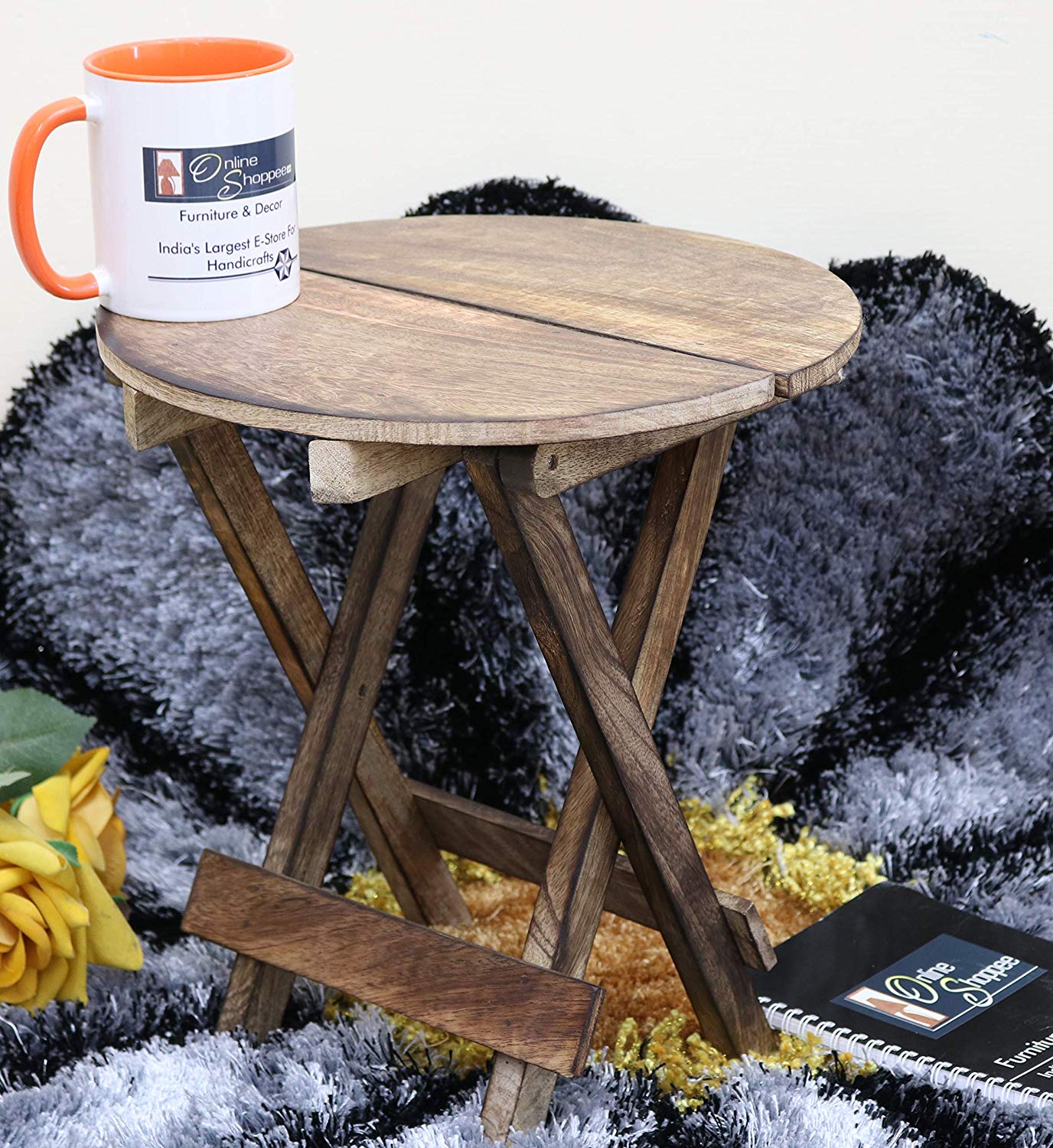
Picture this: you've just finished arranging the perfect sofa in your Dubai Marina apartment. The cushions are fluffed, the throw is draped just right — and yet something still feels unfinished. More often than not, the missing piece isn't another cushion or a bigger rug. It's a side table.
Side tables and end tables are the quiet workhorses of UAE interiors. They hold your coffee cup during a majlis catch-up, your phone charger overnight, and your favourite candle when guests arrive. But beyond function, they're one of the easiest ways to inject personality into a living room, bedroom, or hallway without a full furniture overhaul — whether you're in a compact Jumeirah Village studio or a sprawling villa in Arabian Ranches.
If your side tables currently double as junk-mail catchers, this guide will change that. Here are six designer-approved ways to style them properly, plus what to look for when choosing new pieces for your UAE home.
1. Why Side Tables Matter More Than You Think
It's tempting to treat side tables as an afterthought — something you grab last, after the sofa and coffee table are sorted. But interior designers treat them as anchor pieces. A well-chosen side table balances the visual weight of a room, softens hard lines from larger furniture, and gives your eye somewhere to rest between statement pieces.
In open-plan Dubai apartments especially, side tables also help define zones. A pair flanking a sofa signals "this is the seating area," while a single piece near an armchair creates a cosy reading nook without needing a wall to separate it.
2. Get the Height and Shape Right Before Anything Else
Before you think about styling, get the proportions right — this is the step most UAE homeowners skip. As a rule of thumb, a side table should sit level with or slightly below your sofa's armrest, so you can reach it comfortably without leaning far. Round and organic shapes work beautifully next to angular sectionals, softening the overall look, while a carved wooden design adds warmth to minimalist, neutral-toned living rooms common in Downtown Dubai and Business Bay apartments.

If you're furnishing a smaller apartment, look for a folding or nesting design. It gives you the flexibility to tuck the table away or pull out an extra surface when guests drop by — ideal for compact layouts in Al Barsha or Sharjah's newer residential communities.
3. Style in Threes — The Rule Every Designer Swears By
Once your table is in place, resist the urge to fill every inch. The "rule of three" is a designer favourite: group items in odd numbers of varying height for a naturally balanced look. Try one taller object (a small lamp or vase), one mid-height item (a stack of two books or a small plant), and one low, textural piece — this is where a wooden tray earns its keep.

A tray does double duty: it keeps loose items like coasters, remote controls, and keys corralled, while visually "grounding" the arrangement so it doesn't look scattered. For UAE homes hosting frequent gatherings during Ramadan or Eid, a tray also makes it effortless to serve dates, Arabic coffee, or sweets straight from the side table.
4. Match Wood Tones, Don't Match Everything
A common mistake in UAE homes is buying furniture sets where every wood tone matches exactly. It's safe, but it can flatten the room. Instead, aim for tables that share an undertone with your main furniture — warm oak with warm walnut, for instance — without being identical pieces. This layered approach is especially effective in villas across Saadiyat Island and Emirates Hills, where multiple wood and stone finishes already exist across flooring, doors, and cabinetry.
Mixing a lighter mango wood side table against a darker sofa frame, or pairing a carved antique-style table with contemporary upholstery, creates the kind of collected, intentional look that feels curated rather than showroom-matched.
5. Don't Forget the Bedroom — Nightstand Styling Applies Too
Everything above applies just as much to the bedroom. A round or scalloped end table beside your bed softens a room full of straight lines, and styling it with a small lamp, a book, and a tray for jewellery or a watch keeps the surface functional without feeling cluttered. This is a particularly popular request among Wooden Twist customers furnishing guest bedrooms in Dubai Hills and Al Reem Island apartments, where every corner needs to feel intentional.

6. Think in Pairs for Symmetry, Singles for Character
If your living room or bedroom leans formal — think large sectional sofas or a king bed as the centrepiece — a matching pair of side tables creates a sense of order and calm that suits villa-style living. If your space is more eclectic, a single statement piece with an unusual shape or carved detailing gives the room a focal point without needing to be perfectly symmetrical. There's no single right answer here; it comes down to whether your UAE home leans toward classic elegance or relaxed, layered style.
Bringing It All Together
Side tables are small, but they carry real weight in how a room feels finished. Getting the height right, styling in odd-numbered groupings, layering wood tones thoughtfully, and applying the same principles to your bedroom will take any space — from a Dubai Marina apartment to an Arabian Ranches villa — from "almost done" to genuinely styled.
Wooden Twist UAE offers a wide range of hand-carved side tables, end tables, and decor accessories, with free UAE-wide delivery, free professional installation, and flexible payment options including Cash on Delivery, Tabby, and Tamara. Many pieces can also be customised to match your existing wood tones and room dimensions.
Ready to complete your living room or bedroom? Shop All Furniture at Wooden Twist UAE.



Leave a comment
This site is protected by hCaptcha and the hCaptcha Privacy Policy and Terms of Service apply.